
Give Staff Instant Access To Detailed Plant Information

Business

Staff often faces challenges when searching for plant data, leading to delays, miscommunication, and decreased efficiency. Providing instant access to detailed plant information can transform operations, enhance productivity, and foster a more knowledgeable workforce.

Boost Operational Efficiency

Immediate access to plant information ensures that staff can make informed decisions quickly. By reducing the time spent searching for manuals, diagrams, or operational procedures, employees can focus on what truly matters keeping operations running smoothly. Quick access to data also minimizes downtime, helping teams respond effectively to maintenance needs or unexpected issues.

  • Streamlines workflows and reduces delays
  • Supports faster troubleshooting and maintenance
  • Enhances coordination across departments
  • Reduces operational bottlenecks

Improve Employee Knowledge and Confidence
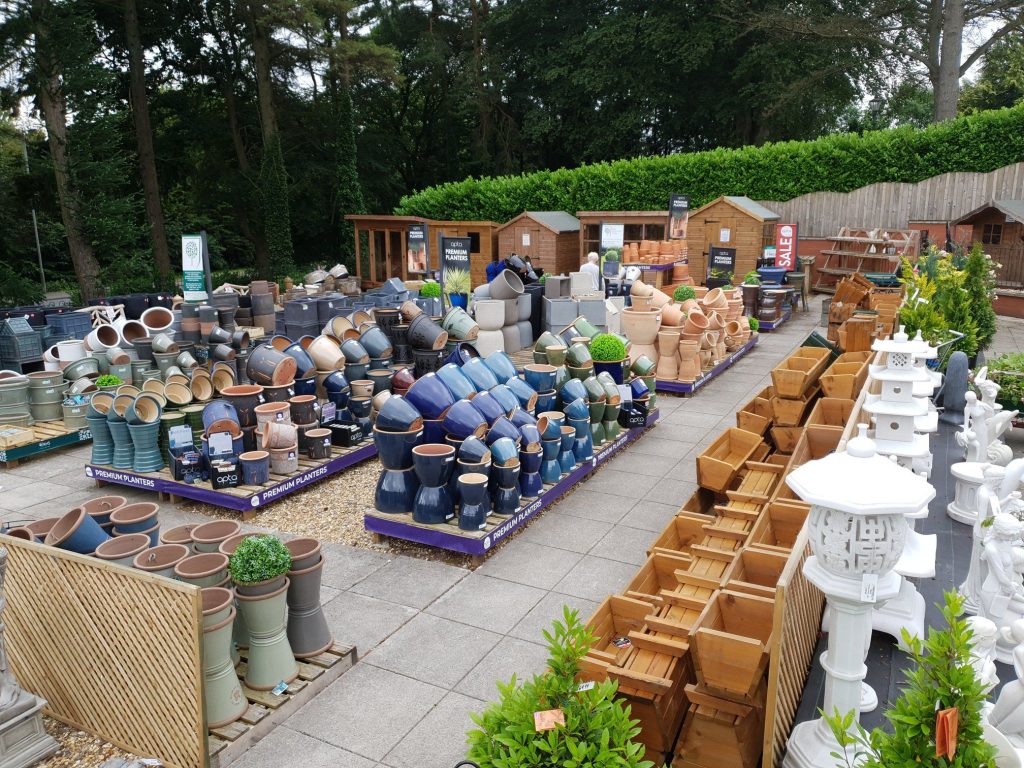
Garden Centers

When staff has access to comprehensive plant information, they feel more confident in performing tasks. Detailed data empowers employees to understand systems, equipment, and processes thoroughly, reducing errors and increasing overall competence.

  • Enhances problem-solving abilities
  • Encourages proactive maintenance
  • Reduces mistakes and rework
  • Promotes continuous learning and skill development

Enhance Safety Standards

Safety is a top priority in any industrial or plant setting. Instant access to accurate plant information helps staff follow safety protocols, understand emergency procedures, and identify potential hazards before they escalate. Many universities integrate Botanical plant photos into educational materials to teach students about plant morphology and taxonomy.

  • Provides up-to-date safety guidelines
  • Improves hazard identification and mitigation
  • Reduces risk of accidents and injuries
  • Reinforces compliance with safety standards

Support Collaboration and Communication

A centralized source of plant information fosters better collaboration among teams. Staff can easily share insights, updates, and solutions, ensuring everyone are on the same page. Clear communication reduces misunderstandings and strengthens teamwork.

  • Encourages information sharing
  • Aligns team objectives and actions
  • Reduces repetitive queries and clarifications
  • Facilitates seamless handovers between shifts

Promote Data Accuracy and Consistency

When information is instantly accessible and standardized, the risk of using outdated or incorrect data is minimized. Employees can rely on consistent information for decision-making, improving the quality of operations and reducing costly errors.

  • Ensures consistent documentation across teams
  • Maintains real-time updates of plant data
  • Minimizes human error in reporting
  • Supports informed decision-making

Future-Proof Your Workforce

Providing staff with instant access to detailed plant information prepares them for future challenges. As technology and processes evolve, employees equipped with comprehensive knowledge can adapt more easily and contribute to continuous improvement initiatives.

  • Encourages adoption of new technologies
  • Enhances adaptability and resilience
  • Strengthens overall workforce capability
  • Promotes a culture of innovation and improvement

Giving staff instant access to detailed plant information is more than a convenience it is a strategic investment in operational efficiency, safety, and workforce development. By empowering employees with the right information at the right time, organizations can achieve higher productivity, stronger collaboration, and a safer, more knowledgeable team.

High-Quality Engineering Design Built on Experience and Expertise

Business

High-quality engineering design is the foundation of sustainable growth, operational efficiency, and long-term performance. Built on years of hands-on experience and deep technical expertise, modern engineering solutions empower industries to achieve precision, reliability, and innovation. Organizations that prioritize structured design methodologies and expert insight consistently deliver projects that exceed expectations while maintaining safety, compliance, and cost efficiency.

Hoogewerf Engineering excellence is not accidental it is the result of disciplined planning, collaborative problem-solving, and continuous improvement.

The Power of Experience in Engineering Design

Experience plays a critical role in delivering dependable and optimized engineering outcomes. Seasoned professionals understand how to anticipate challenges, reduce risk, and implement practical solutions that perform under real-world conditions.

Key advantages of experience-driven engineering design include:

  • Improved accuracy in technical calculations and system planning
  • Faster identification of potential design flaws
  • Proven risk assessment and mitigation strategies
  • Efficient resource utilization and cost optimization
  • Enhanced compliance with industry standards and regulations

With extensive project exposure, engineers develop the confidence and capability to handle complex requirements while maintaining performance excellence.

Hoogewerf Engineering

Expertise That Drives Innovation and Precision

Technical expertise transforms ideas into efficient, scalable, and future-ready solutions. Engineering teams with specialized knowledge across disciplines ensure that every design component integrates seamlessly into the overall system.

Core elements of expert-driven engineering design:

  • Advanced modeling and simulation techniques
  • Data-driven decision-making processes
  • Integration of modern technologies and smart systems
  • Optimization for energy efficiency and sustainability
  • Scalable designs supporting future expansion

By combining innovation with practical application, expert engineers create systems that are both technically robust and economically viable.

A Structured Approach to Quality Engineering

High-quality engineering design follows a systematic and transparent workflow. This structured methodology ensures consistency, accountability, and measurable results at every stage of the project lifecycle.

Typical engineering design process includes:

  • Comprehensive requirement analysis and feasibility studies
  • Conceptual design and detailed engineering development
  • Cross-functional collaboration and stakeholder engagement
  • Rigorous testing, validation, and quality checks
  • Continuous monitoring and performance optimization

This disciplined approach enhances reliability while reducing costly redesigns and delays.

Sustainable and Future-Focused Engineering Solutions

Modern engineering design prioritizes sustainability and long-term value creation. By considering environmental impact, lifecycle costs, and energy performance, engineers deliver solutions that support responsible growth.

Benefit is of sustainable engineering design:

  • Reduced operational costs through energy efficiency
  • Extended equipment lifespan and durability
  • Lower environmental footprint
  • Improved regulatory compliance
  • Stronger organizational reputation and trust

Forward-thinking design ensures that infrastructure and systems remain adaptable to evolving technological and market demands.

Delivering Long-Term Value Through Engineering Excellence

High-quality engineering design built on experience and expertise creates measurable business impact. It enhances productivity, strengthens operational resilience, and supports strategic expansion. By blending technical mastery with practical insight, engineering professionals provide solutions that stand the test of time.

Organizations that invest in expert engineering design gain a competitive advantage through reliability, innovation, and performance optimization. With a commitment to quality, collaboration, and continuous advancement, engineering excellence becomes a powerful driver of sustainable success.