
Technology-driven care coordination has emerged as a pivotal force in transforming modern healthcare systems by significantly reducing errors and enhancing the overall patient experience. In a landscape where the complexity of medical care is growing, digital tools such as electronic health records EHRs, real-time communication platforms, predictive analytics, and artificial intelligence are revolutionizing how healthcare professionals interact, share information, and make decisions. These innovations bridge gaps between primary care providers, specialists, nurses, pharmacists, and other stakeholders, creating a seamless network where patient information flows accurately and swiftly. The result is a more cohesive, informed approach to treatment that minimizes redundancies, prevents medical mistakes, and leads to better outcomes. One of the primary advantages of technology-driven care coordination is its ability to reduce errors stemming from miscommunication and fragmented information. Historically, patient data was often scattered across different departments or institutions, making it difficult for care teams to access complete and up-to-date records.
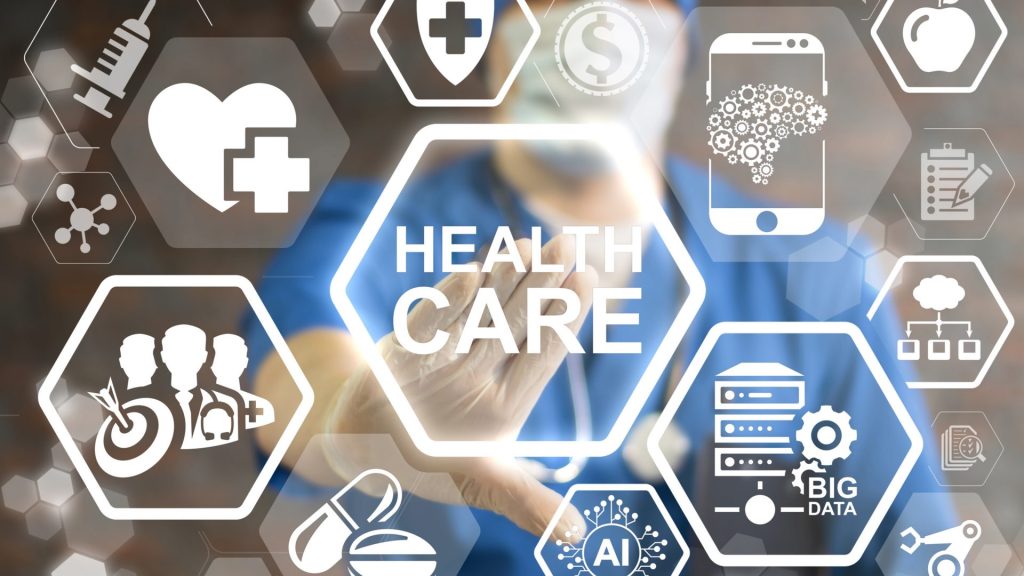
With integrated EHR systems, all relevant health information—from lab results and imaging reports to medication lists and discharge summaries—can be stored and accessed in one secure digital environment. This not only ensures continuity of care across settings but also enables clinicians to make informed decisions based on the most current and comprehensive data. Alerts and decision-support tools further help providers avoid contraindications, allergic reactions, or duplicate prescriptions, all of which are common causes of preventable harm. Moreover, digital coordination tools support timely and proactive interventions, which are especially critical for patients with chronic conditions or complex treatment plans. Care management platforms can flag patients who are at high risk of hospital readmission, missing follow-ups, or experiencing medication noncompliance. By identifying these risks early, care teams can intervene appropriately scheduling check-ins, adjusting treatment, or providing additional support services. This targeted approach not only reduces hospital admissions and emergency visits but also empowers patients to take an active role in managing their health, fostering greater satisfaction and trust in the healthcare system.
The enhancement of patient experience is another profound benefit of technology-driven coordination. When care is well-orchestrated, patients feel heard, respected, and informed. Communication tools such as patient portals allow individuals to view their health records, message providers, and manage appointments from the convenience of their homes. These platforms offer transparency and foster a sense of control, especially important in reducing anxiety and confusion surrounding medical care. Additionally, telehealth solutions have expanded access to care for those in rural or underserved areas, eliminating geographical and logistical barriers that once hindered timely medical attention. In conclusion, technology-driven care coordination is redefining the standards of patient safety and satisfaction view this Recommended Site. By ensuring that healthcare providers are aligned, informed, and responsive, digital tools help minimize clinical errors, optimize resource utilization, and create a more personalized and patient-centric care environment. As healthcare continues to evolve, investing in and embracing these technologies will be key to achieving better outcomes for patients and greater efficiency for providers.