
Ensuring the safety and integrity of inventory in warehouses is a critical component of modern supply chain management. Smart warehouse security systems have become indispensable tools for businesses aiming to safeguard valuable goods and maintain operational efficiency. With the rise of automation and technological advancements, warehouses have transformed into complex hubs that store a variety of products. These hubs are often large in size, which can make monitoring all areas of a facility difficult without the help of advanced security measures. This is where smart systems come into play, offering more than just basic surveillance. These systems integrate cutting-edge technology to enhance the overall security posture of a warehouse, protecting it from both external and internal threats. One of the primary benefits of using smart security systems is their ability to provide real-time surveillance. Equipped with high-definition cameras, motion detectors, and infrared sensors, these systems can instantly alert security personnel to any suspicious activity.
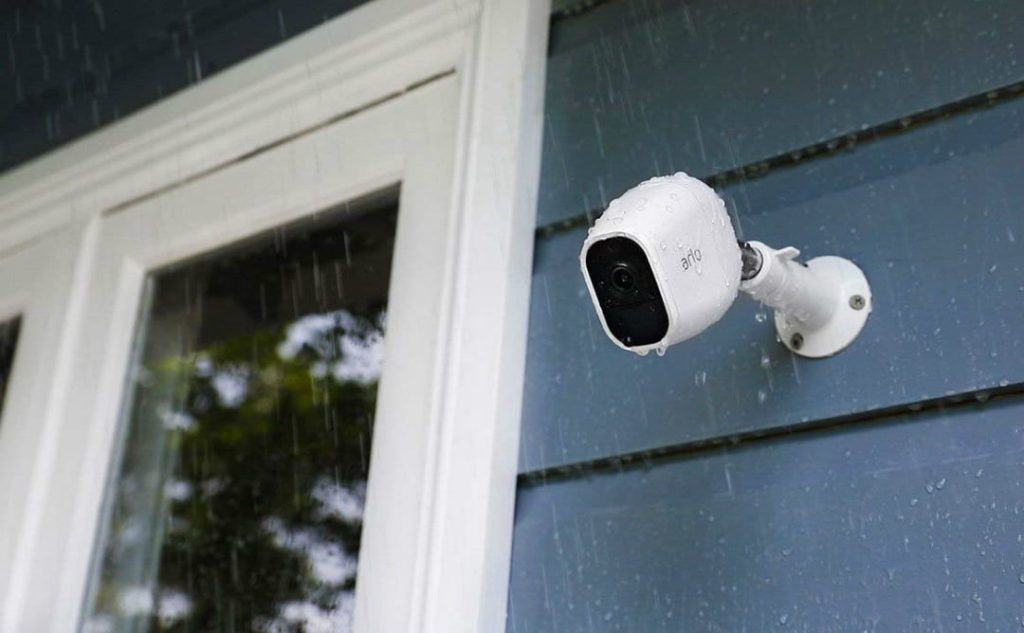
Unlike traditional security measures, which may only involve manual checks or static cameras, modern smart systems can analyze patterns, detect anomalies, and trigger automated responses. For example, if a camera detects unauthorized movement in a restricted area, the system can send an immediate notification to the security team and even lock doors to prevent further access hop over to this website. This level of proactive intervention reduces the likelihood of theft or unauthorized access. Smart security systems are also designed to work seamlessly with other warehouse technologies, such as inventory management and tracking systems. This integration helps ensure that security is an embedded part of the operational workflow. If an item is removed from a shelf, the system can cross-check it with the inventory database to verify that the action was authorized. In addition to physical security, vigilant protocols play a crucial role in safeguarding inventory. Security measures should not rely solely on automated systems but should be backed up by comprehensive, well-established protocols.
A clear set of guidelines for personnel can help mitigate human error, which remains one of the most significant vulnerabilities in any security strategy. Regular audits and risk assessments ensure that procedures are followed, and that the security measures in place remain effective and up-to-date. Another important aspect of vigilant protocols is access control. Only authorized personnel should be granted entry to certain areas within the warehouse, especially those storing high-value items. Implementing strict access controls, such as biometric identification, keycards, or pin codes, helps reduce the risk of unauthorized individuals gaining entry to sensitive parts of the facility. These measures can also be tailored to specific roles, ensuring that employees only have access to areas relevant to their duties. Finally, both smart security systems and vigilant protocols should be adaptable and scalable. As businesses grow or change, the security infrastructure should evolve accordingly.